Table Of Content
When it comes to hair loss, you'll find a lot of misinformation. For instance, do you know the signs of hair loss in women? Can you tell the difference between hair loss that's temporary and hair loss that needs treatment?
Get the Mayo Clinic app
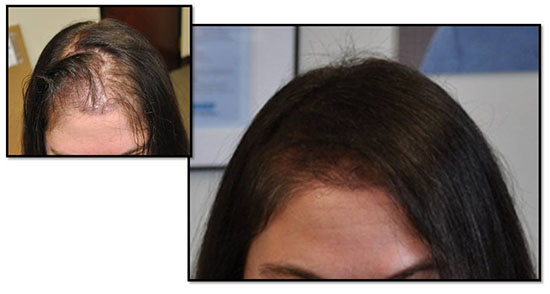
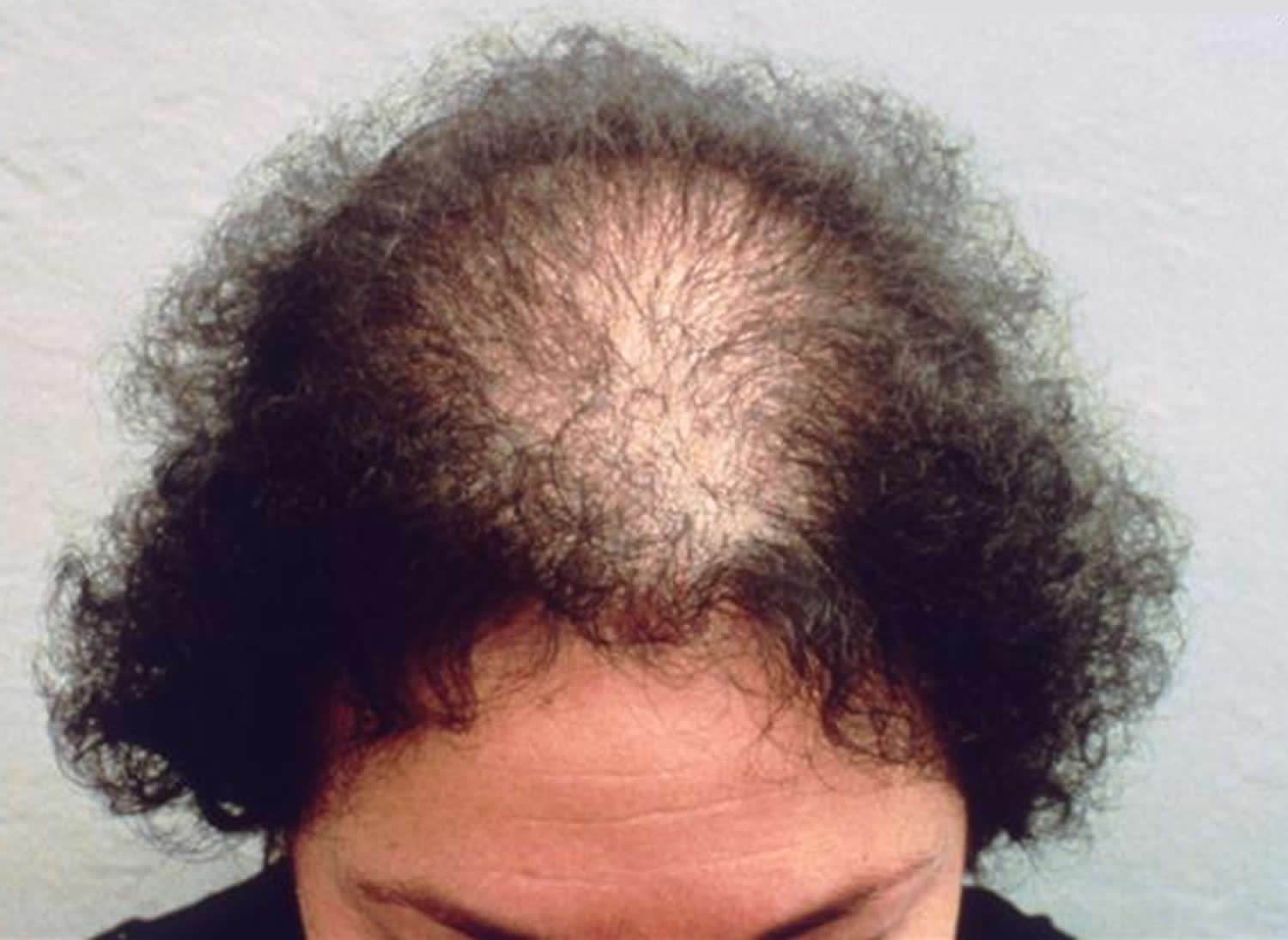
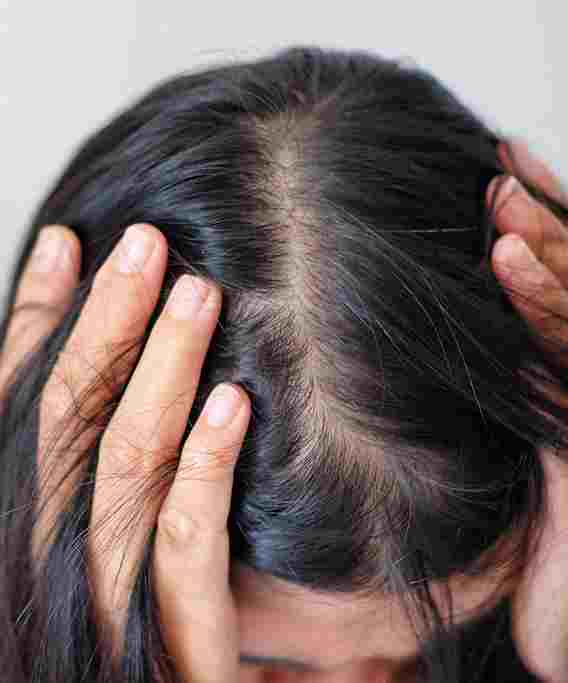
“Female pattern hair loss, also known as androgenetic alopecia, is common and can occur at any age, but it's thought that 40% of women aged 70 or over experience the condition in some form. Women with androgenetic alopecia will usually experience gradual thinning of the hair, typically on the top of the scalp and some women notice their hairline receding. Without proper treatment, female pattern baldness is permanent. Many people with female pattern baldness are comfortable with how they look and don’t seek treatment.
Other treatments
But finding the right formula isn't a matter of simply choosing a product off the shelf and hoping that it works. First, it helps to understand what’s causing your hair changes. An older 2007 study found that caffeine blocked the effects of dihydrotestosterone (DHT) in male hair follicles. DHT is a hormone that’s linked to hair loss in people of all genders. Permanent hair loss results from progressive damage to your hair follicles, which are the structures in your skin that house and grow your individual strands of hair.
Hair loss symptoms
This article will focus primarily on hair loss in cis women. The information in this article will also apply to you if you were assigned female at birth and have never had hormone replacement therapy (HRT). Trans women and trans men who have used HRT may have additional risk factors for hair loss that are not covered here. A healthcare provider might recommend using minoxidil (Rogaine®).
This likely encourages hair to grow back fuller and speeds up the rate at which lost strands are replaced. It’s available over-the-counter—generically and under the brand name Rogaine—in both 2% and 5% formulations. You have several different treatment options to address hair loss caused by female pattern baldness and other types of alopecia. A doctor or dermatologist can help you identify the best approach for your needs.
Ask a doctor about supplementing with iron and zinc
From dietary deficiencies to stress, hair loss in AFAB folks can have a number of causes. DermNet does not provide an online consultation service. If you have any concerns with your skin or its treatment, see a dermatologist for advice. DermNet does not provide an online consultation service.If you have any concerns with your skin or its treatment, see a dermatologist for advice. Hair loss, or alopecia, affects more than 80 percent of men and 50 percent of women, and the risk increases with age.
What lifestyle changes can help me avoid prostate cancer?
With that in mind, consider these the serums worth trying to achieve your unique hair goals. Many people consider a full, healthy head of hair central to their appearance and self-confidence. If your hair begins to thin or fall out, that can be distressing.
How Much Hair Loss Is Normal: Normal Hair Shedding vs Hair Loss - Women's Health
How Much Hair Loss Is Normal: Normal Hair Shedding vs Hair Loss.
Posted: Fri, 23 Feb 2024 08:00:00 GMT [source]
Hair transplant surgery involves moving small plugs of skin, each with a few hairs, to bald parts of your scalp. This usually happens because of radiation treatment or chemotherapy. Hair usually regrows when your hormones get back to normal.
Causes of hair loss in women
“These medications help suppress the immune system’s overactivity and encourage hair regrowth,” Dr. Mitchell explains. The FDA also recently approved a new drug for severe cases of alopecia areata called Litfulo (generic name, ritlecitinib). The medication stimulates hair growth by quieting part of the immune system. Medications that help balance hormone levels are where it’s at for these conditions.
Alopecia areata is an autoimmune disease that causes hair to fall out in nickel- or quarter-size patches. “Your body’s immune system is attacking the hairs,” Brodell says. Discover the signs of this common cause of hair loss and what can treat it.
Doctors sometimes prescribe other treatments off-label to reduce the incidence of hair loss in women. And any medical conditions that lead to hair loss should be treated directly to address the condition, not just its symptoms. Stress causes a large number of hairs in the active hair growth (anagen) phase to abruptly enter the resting (telogen) phase. When the hairs reenter the growth phase, the hairs that had been suspended in the resting phase are suddenly released. Another cause of hair loss is called telogen effluvium (TE), which is typically temporary. According to the American Academy of Dermatology (AAD), TE isn’t actually defined as “hair loss,” but rather as excessive hair shedding.
Each patch of hair has one to several hairs (micrografts and minigrafts). Sometimes a larger strip of skin containing multiple hair groupings is taken. This procedure doesn't require hospitalization, but it is painful so you'll be given a sedation medicine to ease any discomfort. Possible risks include bleeding, bruising, swelling and infection. You may need more than one surgery to get the effect you want.



No comments:
Post a Comment